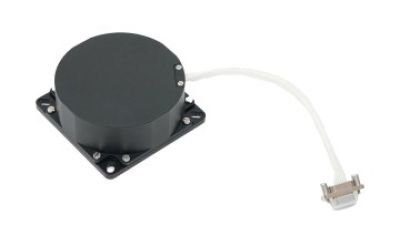
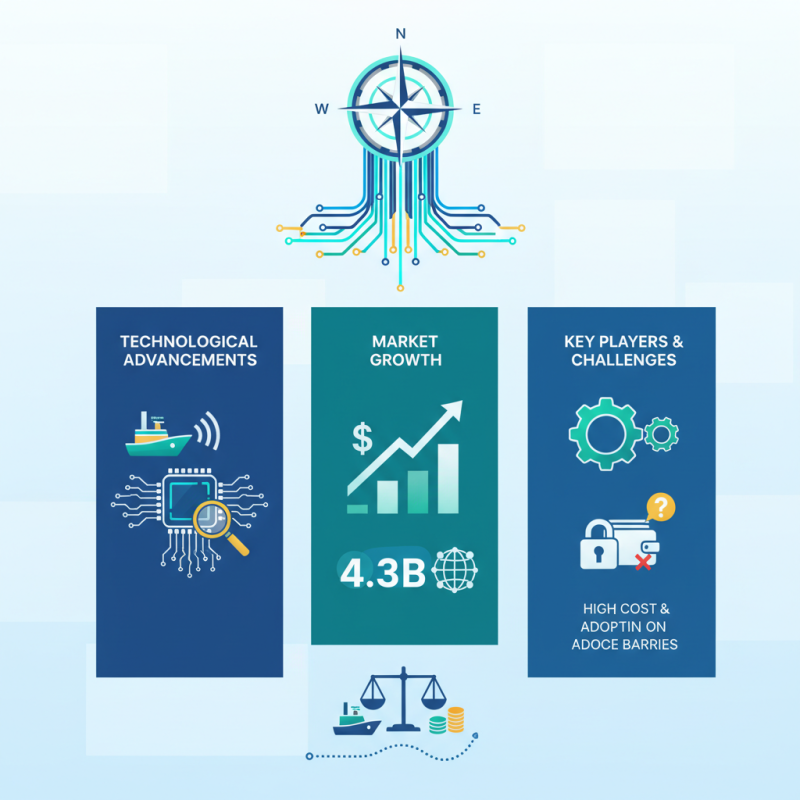
As the marine navigation industry keeps evolving, the Fiber Optic Gyro Compass really stands out as a key piece of tech. I recently read in a MarketsandMarkets report that the global fiber optic gyro market is expected to hit around $4.3 billion by 2026. That’s mostly thanks to better sensor tech and a growing need for super precise navigation systems. It’s pretty clear that this trend is part of a bigger move toward modernizing maritime operations around the world.
Big players like Northrop Grumman and Honeywell are really leading the way when it comes to developing these rugged Fiber Optic Gyro Compass systems. They provide incredible accuracy and dependability — which is crucial for both defense stuff and commercial shipping. That said, there are some hurdles, like the high costs involved. For smaller operators, those price tags can definitely slow down widespread adoption.
Sure, the advantages of Fiber Optic Gyro Compass systems are pretty clear, but it’s just as important to think carefully about how these techs are put into practice. Finding the right balance between cutting-edge solutions and budget realities is going to be key for buyers around the globe as they navigate this competitive industry. The future of all this will really depend on making smart decisions that weigh technological progress against what’s financially feasible.
Trends in Fiber Optic Gyro Compass Technology for 2026
The fiber optic gyro compass technology is evolving rapidly. As we approach 2026, industry reports indicate a significant shift in how these devices operate. The global market for Gyro Compass Marine systems is projected to grow. According to recent data, it is expected to reach an impressive $3.5 billion by 2026. This growth reflects a rising demand for precision navigation systems in various sectors.
Recent advancements focus on improving accuracy and reliability. New designs incorporate advanced algorithms that enhance performance in challenging environments. Industry experts suggest that the integration of artificial intelligence can further optimize gyro compass functionalities. Enhanced data processing capabilities are making these systems faster and more efficient. However, the technology still faces challenges, such as susceptibility to environmental factors like temperature variations and magnetic interference.
The user experience is critical in the development of gyro compass marine technologies. Feedback reveals that many navigators desire more intuitive interfaces and troubleshooting features. Yet, with rapid innovations, there is a real need for manufacturers to maintain robust support structures. Addressing such user concerns will be crucial as this technology progresses. The next few years will be instrumental in shaping the future of fiber optic gyro compass systems.
2026 Top Fiber Optic Gyro Compass Trends for Global Buyers
| Trend |
Description |
Impact on Industry |
Adoption Rate (%) |
Projected Growth Rate (%) |
| Enhanced Accuracy |
Improvements in sensor technology leading to more precise navigation. |
Higher operational efficiency in marine and aerospace sectors. |
75 |
20 |
| Miniaturization |
Development of smaller, lightweight gyro compasses for UAVs and small vessels. |
Broadening the application range, especially in unmanned systems. |
60 |
15 |
| Integration with Digital Systems |
Enhanced data analytics capabilities when integrated with AI and IoT systems. |
Improved decision-making and operational intelligence. |
70 |
25 |
| Sustainability Focus |
Development of eco-friendly materials for manufacturing gyro compasses. |
Regulatory compliance and improved market image. |
65 |
18 |
| Cost Reduction Technologies |
Innovations aimed at reducing production and operational costs. |
Increased accessibility of gyro compasses in various markets. |
80 |
10 |
Analysis of Market Demand for Fiber Optic Gyro Compasses Worldwide
The global demand for fiber optic gyro compasses is witnessing significant growth. This trend is fueled by various industries, including maritime navigation and aerospace applications. As technology advances, these compasses offer enhanced accuracy and reliability. The demand for precision in navigation systems is paramount. Companies are increasingly investing in Gyro Compass Mapping Units to improve their operations.
Countries around the world are adopting fiber optic gyros for their unique capabilities. They provide low drift rates, making them ideal for high-precision applications. However, integrating these systems can be complex. Users often face challenges in calibration and maintenance. This highlights the need for specialized training and support.
While the market is expanding, some concerns arise. The cost of fiber optic gyro systems can be high. Smaller companies may struggle to afford these advancements. Furthermore, the long-term reliability of new technologies remains a question. Continuous research and feedback from users can help address these issues. Overall, understanding the market demand for fiber optic gyro compasses is crucial for manufacturers and consumers alike.
Key Innovations in Fiber Optic Gyro Compass Design and Functionality
The fiber optic gyro compass technology is evolving rapidly. Recent studies show that the global fiber optic gyro market is projected to reach USD 1.6 billion by 2026. This growth is driven by advancements in design and functionality. Manufacturers are focusing on reducing size while enhancing accuracy and reliability.
New innovations include improved sensor technology, which increases stability. The latest gyro compasses feature enhanced resistance to environmental factors, such as temperature fluctuations and vibration. Research indicates that more precise algorithms in these systems lead to greater navigation accuracy, particularly in challenging conditions.
Despite these advancements, some challenges remain. The cost of integrating fiber optic technology can be high. There may also be difficulties in transitioning from traditional systems to advanced gyros. Continuous research is necessary to address these issues effectively. Innovations should aim not only for performance but also for affordability. The future holds promise for more accessible and efficient gyro compass solutions.
Competitive Landscape of Fiber Optic Gyro Compass Manufacturers
The fiber optic gyro compass market is rapidly evolving. As technology advances, manufacturers are focusing on creating more reliable and accurate solutions. According to a recent market analysis, the global fiber optic gyro compass industry is projected to reach $2 billion by 2026, growing at a CAGR of 12.6%.
This growth is driven by technological advancements and increasing demand in industries like marine, aerospace, and automotive. Leading manufacturers are investing in research and development to improve the performance of these systems. Companies are adopting innovative manufacturing techniques to enhance durability and reduce costs. However, competition is fierce, leading to price volatility in the market.
Tip: When considering purchasing a fiber optic gyro compass, evaluate your specific needs first. This can prevent overspending on features that may not be necessary.
The competitive landscape reveals a trend toward consolidation among manufacturers. Smaller companies are finding it harder to compete against larger entities with established market presence. This creates a challenging environment, prompting many to rethink their strategies.
Tip: Regularly review the technical specifications of various products. Keeping up with the latest innovations ensures that you make informed decisions.
Regional Market Insights: Fiber Optic Gyro Compasses in Different Areas
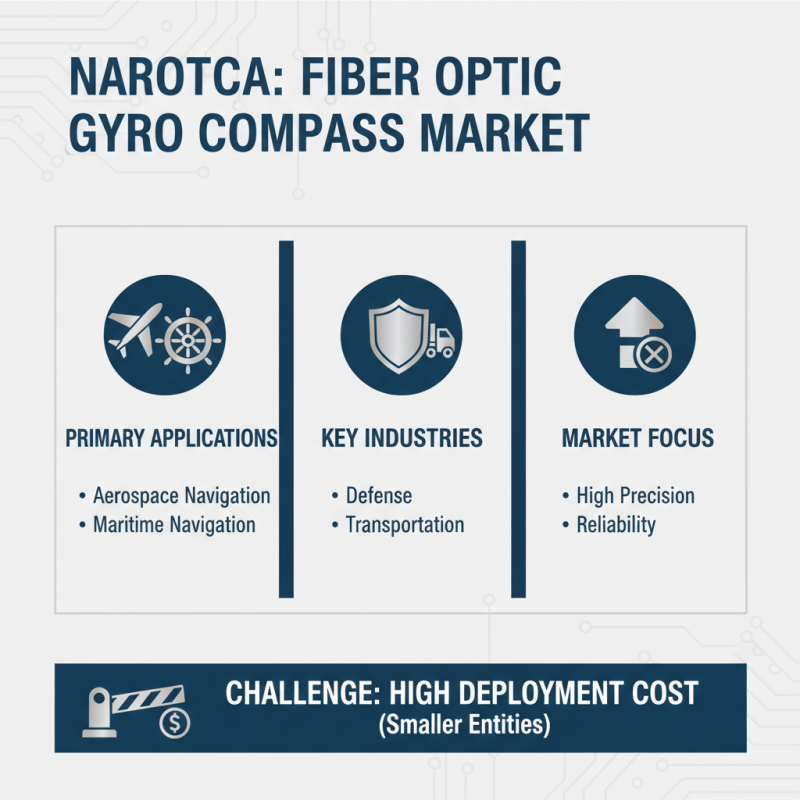
The demand for fiber optic gyro compasses varies significantly across different regions. In North America, the focus is mainly on advanced navigation systems for aerospace and maritime applications. The market emphasizes high precision and reliability, catering to the needs of industries like defense and transportation. However, the high cost of deployment remains a barrier for smaller entities.
In Europe, the use of fiber optic gyros is growing in autonomous vehicles and robotics. The emphasis is on integration with emerging technologies, but the regulatory landscape poses challenges. Manufacturers must navigate complex compliance issues that can slow down innovation. Conversely, Asia-Pacific is witnessing rapid adoption due to booming industries like shipping and mining. While growth opportunities abound, regional disparities in technology adoption can create uneven market landscapes. Overall, understanding these regional nuances is crucial for global buyers looking to invest in fiber optic gyro technologies.
Impact of Emerging Technologies on Fiber Optic Gyro Compass Development
The emergence of new technologies significantly impacts the development of fiber optic gyro compasses. These compasses provide precise orientation and navigation capabilities. They are increasingly used in various sectors, from maritime applications to unmanned aerial vehicles. With advances in sensor technology, the accuracy and reliability of these devices enhance dramatically.
Integrating data from state-of-the-art Magnetometer Gyro Compass units allows for improved performance. This synergy facilitates better navigation, particularly in challenging environments.
For instance, the combination of fiber optic sensors with magnetometer systems creates a robust solution for stability and accuracy. Nevertheless, while the technology evolves, designers must ponder the device's complexities and challenges. Balancing performance with cost-effectiveness remains a persistent concern in product development.
As companies invest in advanced materials and processing techniques, the industry faces obstacles. Achieving high performance while maintaining manageable costs is crucial. Emerging technologies are reshaping the landscape, but continuous improvement is essential. Stakeholders need to assess these developments critically, ensuring the evolution of fiber optic gyro compasses meets users' demands efficiently.
Future Prospects: Sustainability and Fiber Optic Gyro Compass Advancements
The advancements in
Fiber Optic Gyroscopes herald a transformative shift towards sustainability.
As global buyers seek eco-friendly solutions, manufacturers are innovating.
New techniques reduce waste, enhance efficiency, and lower energy use. For instance, advancements are focusing on materials that are both durable and recyclable.
This aligns with the growing demand for greener technologies.
The potential of Fiber Optic Gyroscopes lies in their precision and reliability.
They offer improved navigation solutions across various sectors.
Yet, the industry faces challenges, including sourcing sustainable materials.
Ethical practices in production are now more critical than ever.
Balancing performance with a minimal environmental footprint requires continuous effort.
Future trends indicate a rise in research focused on reducing the carbon footprint of production processes.
While the benefits are clear, the path is not without its obstacles.
Continuous improvement in technology can help overcome these challenges.
Adopting sustainable practices in the Fiber Optic Gyroscope market will be essential for long-term viability.
Innovative UAVs Fiber Optic Gyroscope BSD70: Enhancing Performance with Wide Dynamic Range and High Impact Resistance
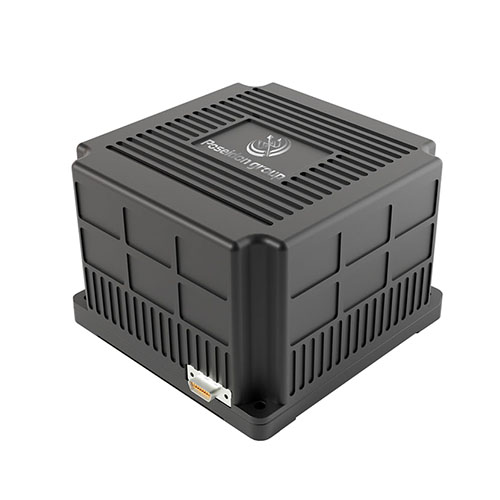
The innovative design of fiber optic gyroscopes (FOGs) has revolutionized navigational accuracy for unmanned aerial vehicles (UAVs). A standout example in this field is the BSD70, which excels with its wide dynamic range and high impact resistance. This cutting-edge technology leverages digital closed-loop mechanisms to deliver an extraordinary zero-bias stability of 0.02°/h to 0.2°/h. Such precision is essential in dynamic environments where fluctuations can significantly affect performance and safety, making it an ideal choice for demanding applications in aviation and robotics.
In addition to its remarkable accuracy, the BSD70 is designed with compactness in mind. With dimensions of 70mm x 70mm x 32.5mm and a lightweight build under 210g, it seamlessly fits into space-constrained systems without compromising performance. According to industry reports, the demand for compact and reliable gyroscopic systems in UAVs is growing, driven by the need for enhanced maneuverability and stability in both commercial and military applications. The BSD70 meets these needs head-on, offering engineers and developers a robust solution that balances performance, size, and weight.
Moreover, the high impact resistance of the BSD70 underscores its suitability for challenging environments. Many industry studies highlight the necessity of durable components in UAV systems to withstand both physical shocks and environmental conditions. This resilience ensures that operators can rely on the BSD70 in various scenarios, from aerial surveying to complex military operations, where performance integrity is paramount. As the aerospace sector continues to advance, innovations like the BSD70 are setting new standards for navigational technology in UAVs.
FAQS
: The technology is rapidly evolving, focusing on improved accuracy and reliability, expected to grow significantly by 2026.
It is expected to reach around $3.5 billion, reflecting increasing demand for precision navigation systems.
New algorithms and artificial intelligence integration are improving data processing speed and efficiency for better navigation.
They are susceptible to temperature variations and magnetic interference, which can affect their accuracy.
Many navigators desire more intuitive interfaces and effective troubleshooting features in their devices.
New technologies enhance accuracy and reliability, yet designers must consider performance versus cost-effectiveness in product development.
Achieving sustainability while balancing performance and minimizing environmental impact are crucial for future advancements.
Yes, sourcing sustainable materials and ensuring ethical production practices are increasingly important as the market evolves.
Techniques that reduce waste and enhance recycling are being implemented to meet the growing demand for eco-friendly solutions.
Continuous improvement is essential, as balancing high performance with manageable costs and sustainability remains a significant challenge.
Conclusion
The article "2026 Top Fiber Optic Gyro Compass Trends for Global Buyers" explores the evolving landscape of fiber optic gyro compass technology, highlighting key trends and innovations anticipated for the coming years. It delves into the growing market demand for these advanced navigational tools worldwide, emphasizing how their design and functionality are set to improve significantly. Furthermore, the competitive landscape among manufacturers is analyzed, alongside regional market insights that showcase the adoption of fiber optic gyro compasses in various geographical areas.
Emerging technologies are identified as pivotal in shaping the development of fiber optic gyro compasses, paving the way for future advancements focused on sustainability. Overall, the article presents a comprehensive overview of the fiber optic gyro compass market, illustrating its critical role in enhancing modern navigation systems and meeting the dynamic needs of global buyers.

 TBSD60
 BSD120
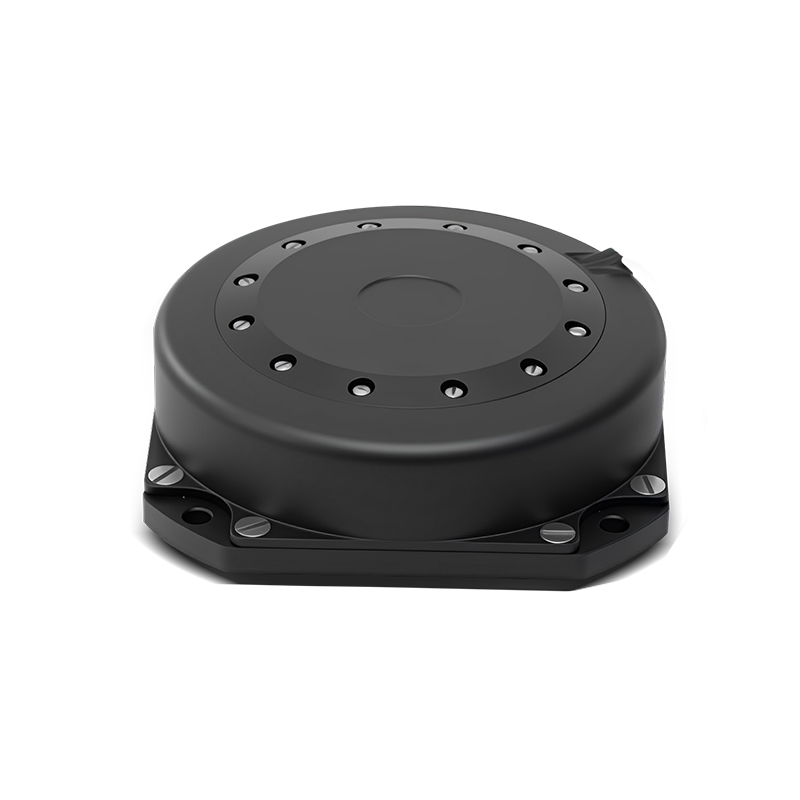 BSD98
BSD98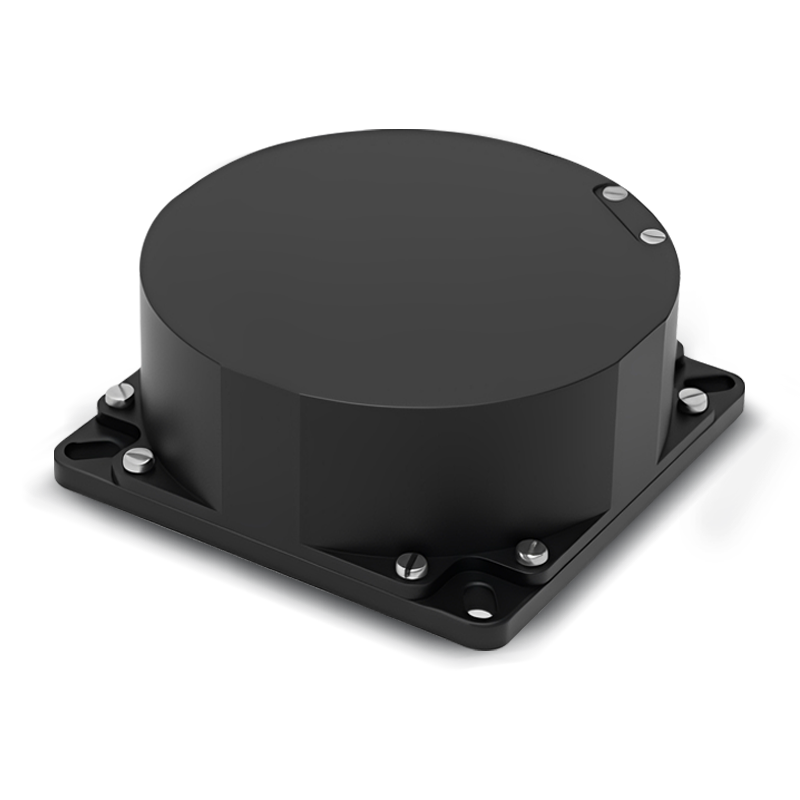 BSD70
BSD70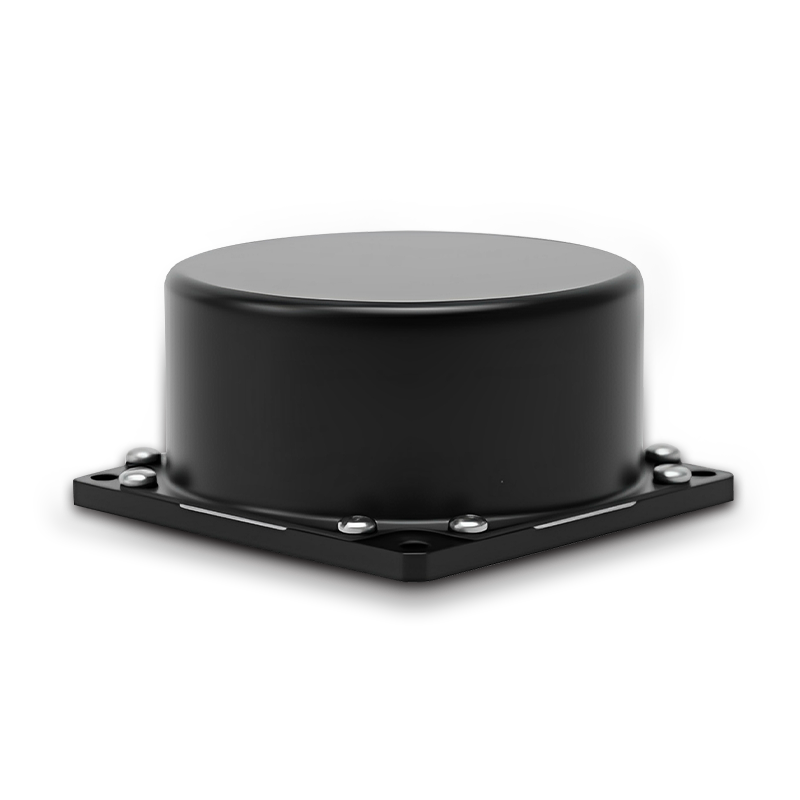 BSD60
BSD60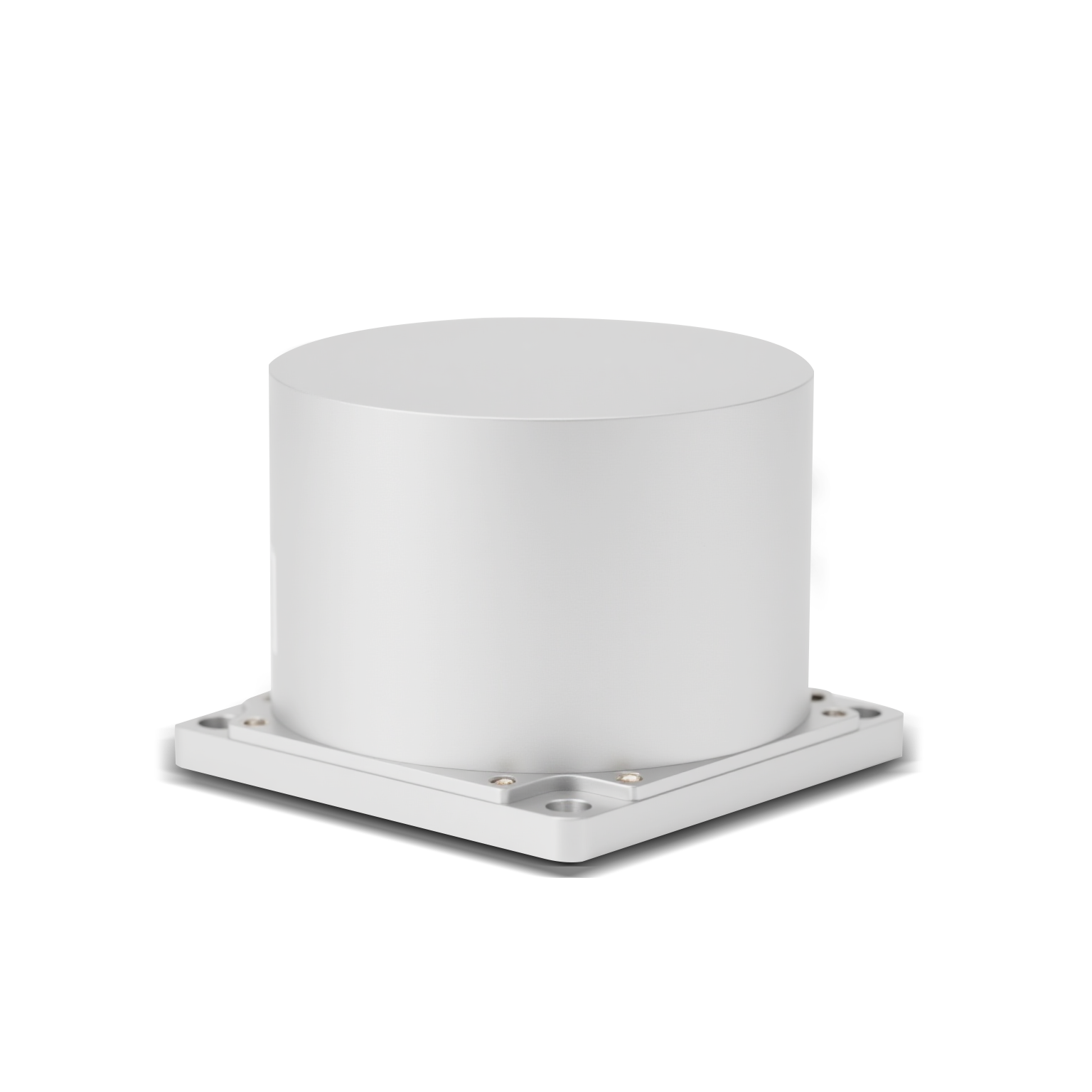 BSD50
BSD50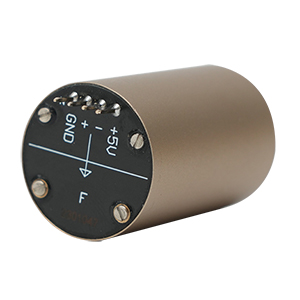 BSD217
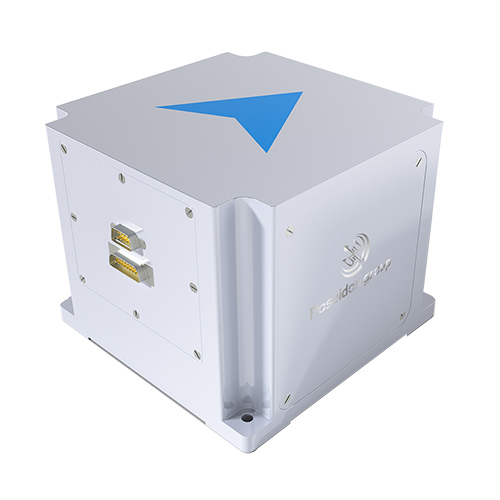 INS1700
 INS970
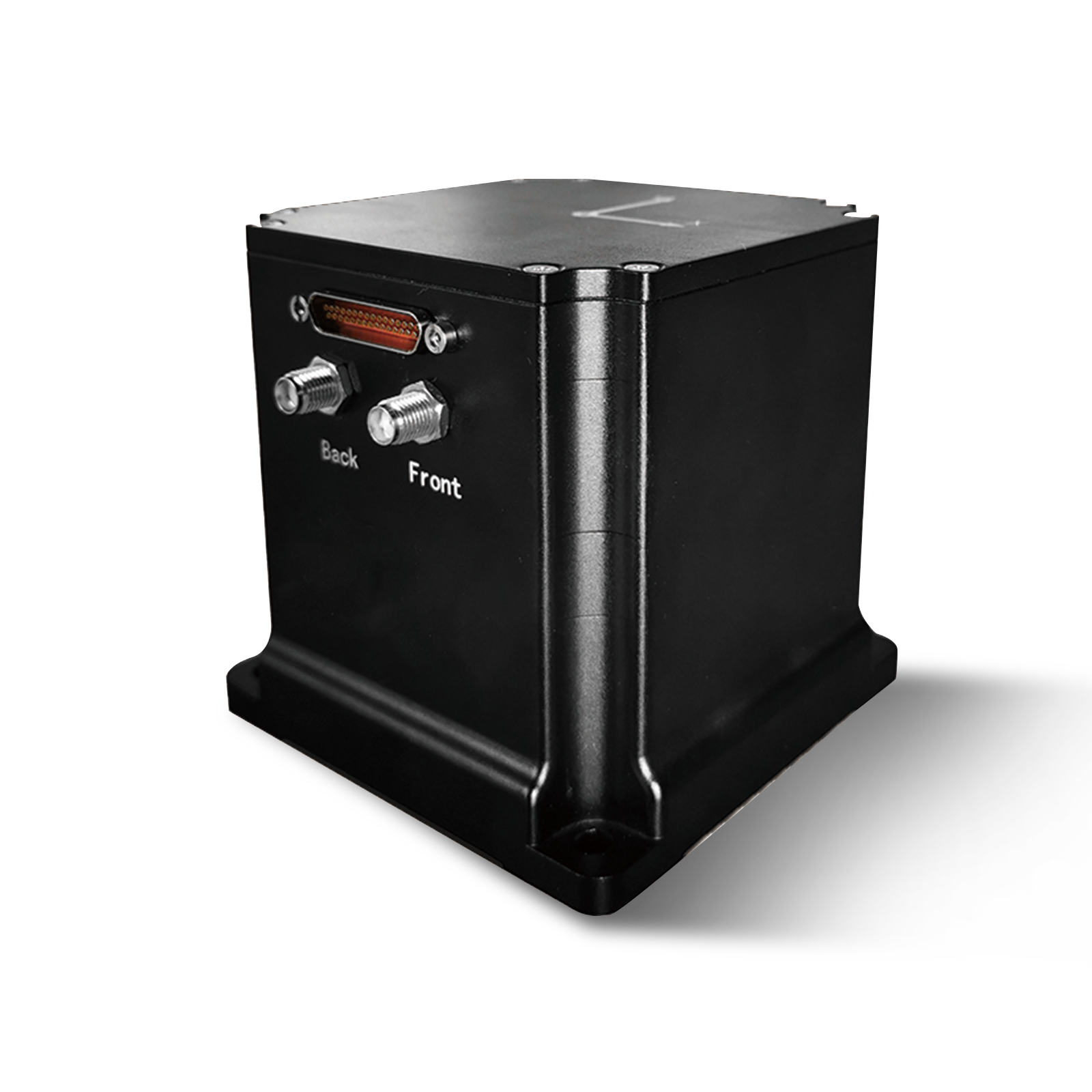 INS570
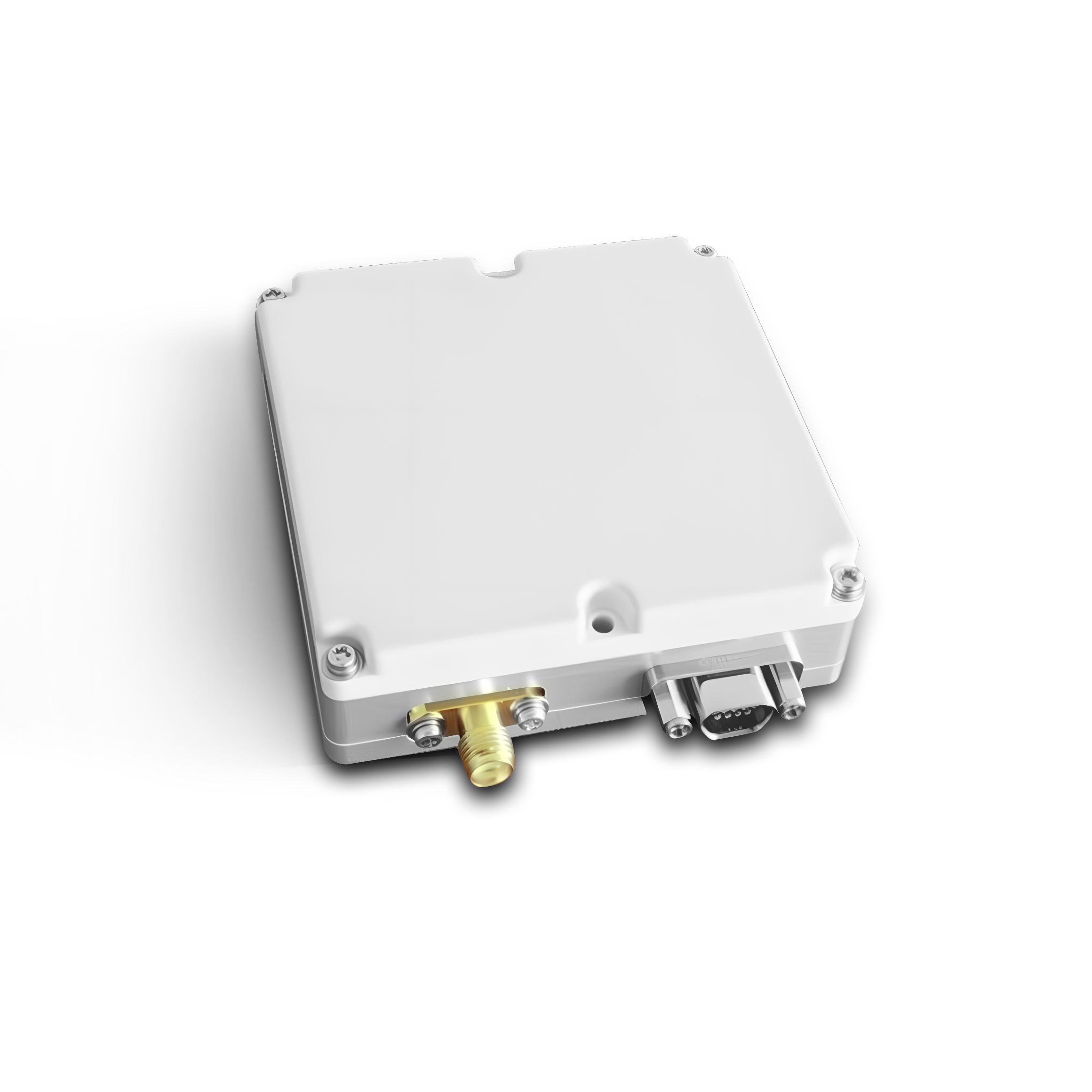
 INS170
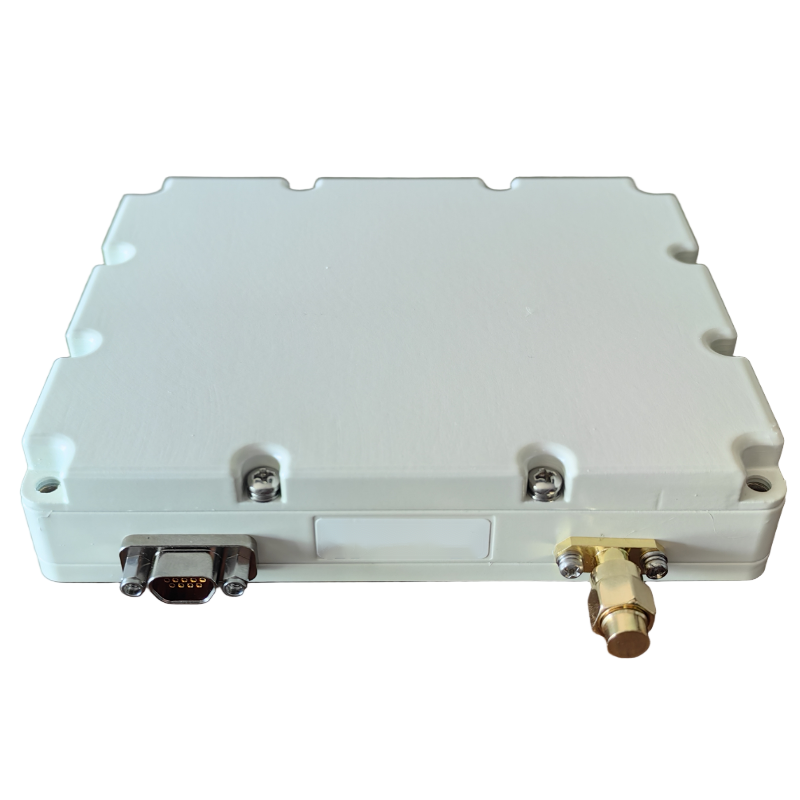
 SLA-4B1L1-65
 SLA-8B1L1-110
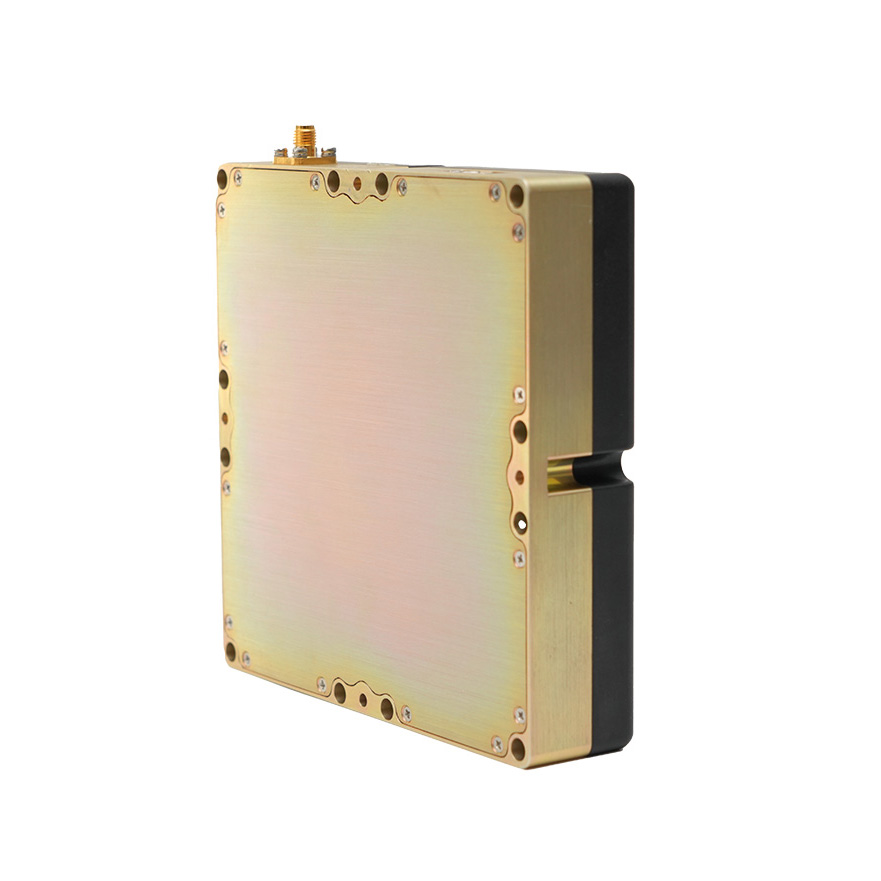 SLA-4B1L1-130
 SLA-16B1L1-160
 SLA-8B1L1-165
 101 Vessel-mounted Positioning
 102 Acoustic Communication
 103 Tracking and Locating
 104 Diver Navigation System
 105 Intrusion Detection Sonar
 106 Delivery Locator Beacon
 SLLR3000
 SLLR905
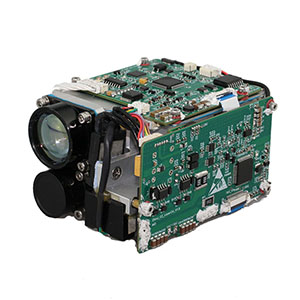 SLLD25
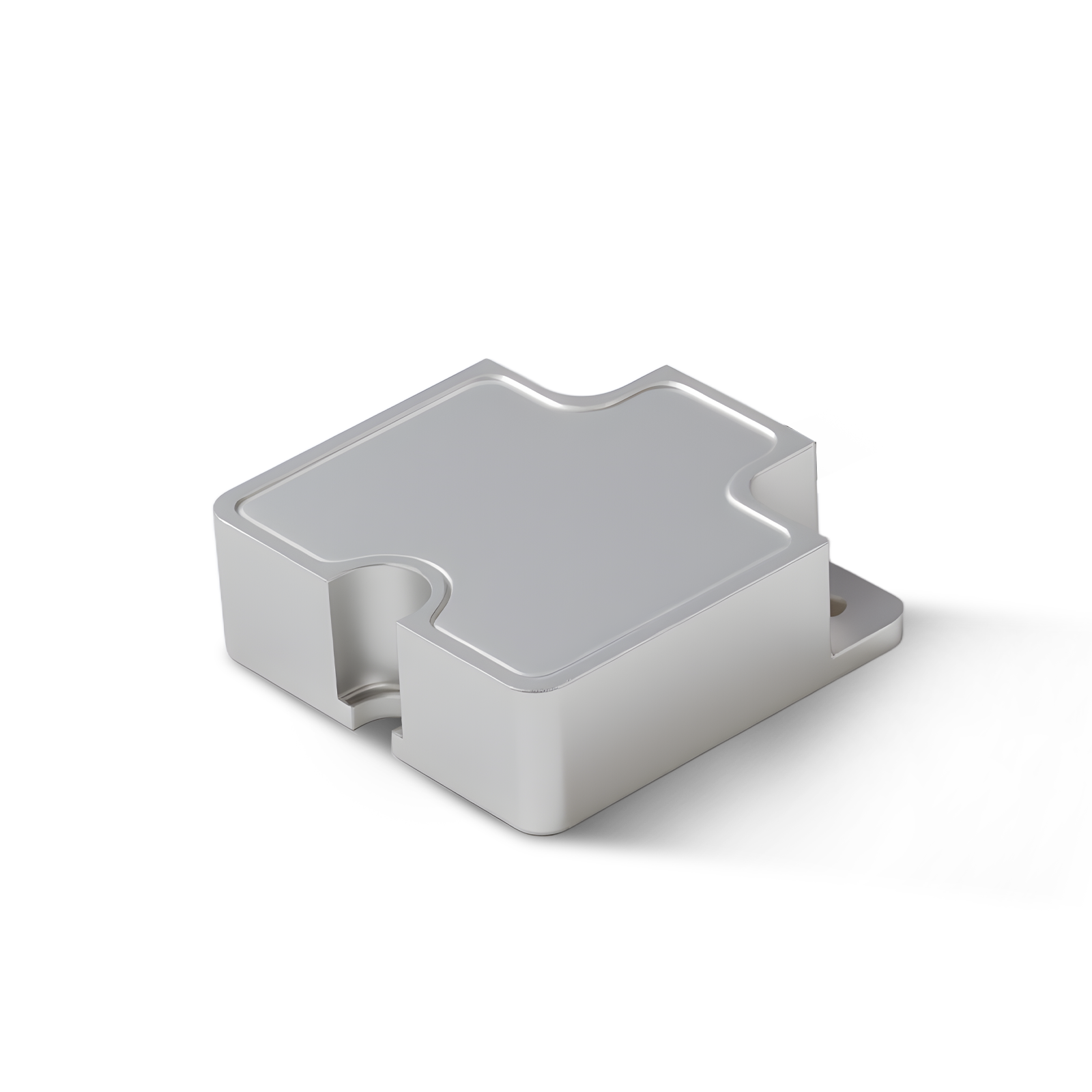 108IMU
 150M
150M 500MH
500MH 160M
160M 170M
170M SLFC-70
 SLAF280
 MR360
MR360